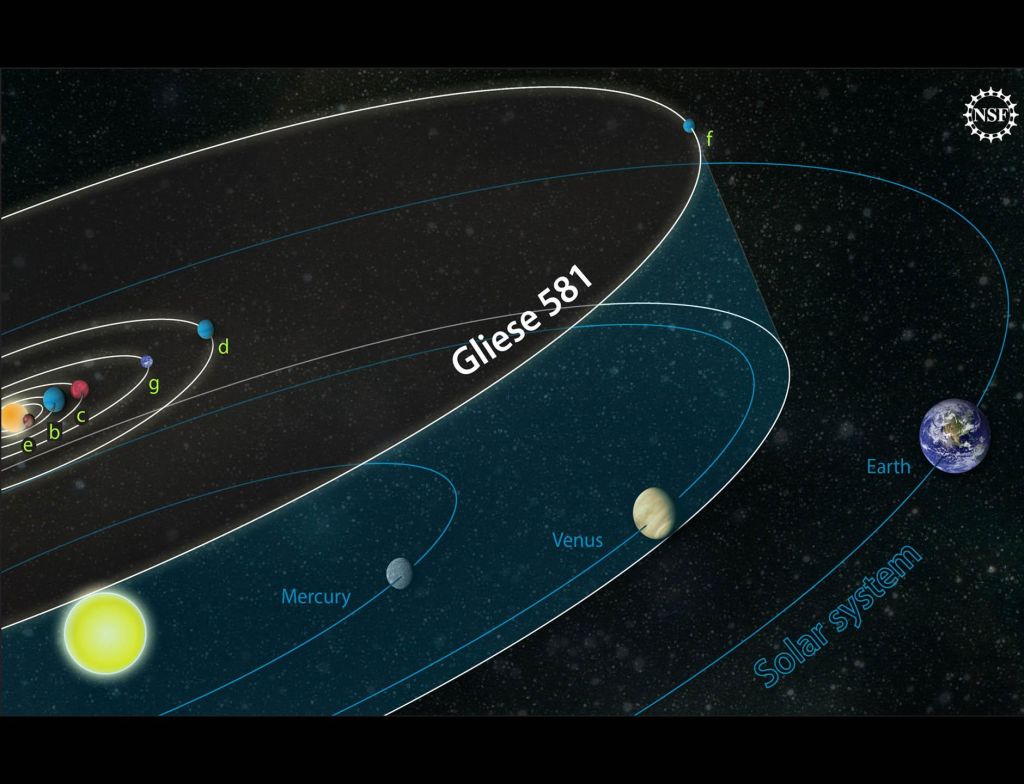
the Gliese 581c

The Gliese 581 system, featuring the Gliese 581c

Upon learning about exoplanets, I’ve become fascinated with one 20 years light years away from Earth called the Gliese 581c, which resides in the Gliese 581 system. The Gliese 581c was discovered in 2007 using the radial velocity method of detection (tugs on its planet star). At the time of its discovery, it was the smallest exoplanet detected around a main sequence star and the known exoplanet which most resembled our own Earth.

While thought to reside within the habitable zone, it actually lies just beyond it, making it unfit for civilization. The Gliese 581c also suffers from a runaway greenhouse effect due to its proximity to its host star. 

Cool facts about the Gliese 581c:

  • Located third in order from its host star
  • Orbits a red dwarf
  • Classed as a Super Earth (has up to 10x the mass of Earth)
  • Tidally locked (one side faces its host star while the other is in constant darkness)
  • Most similar to Venus
What Gliese 581c would look like.

detecting exoplanets

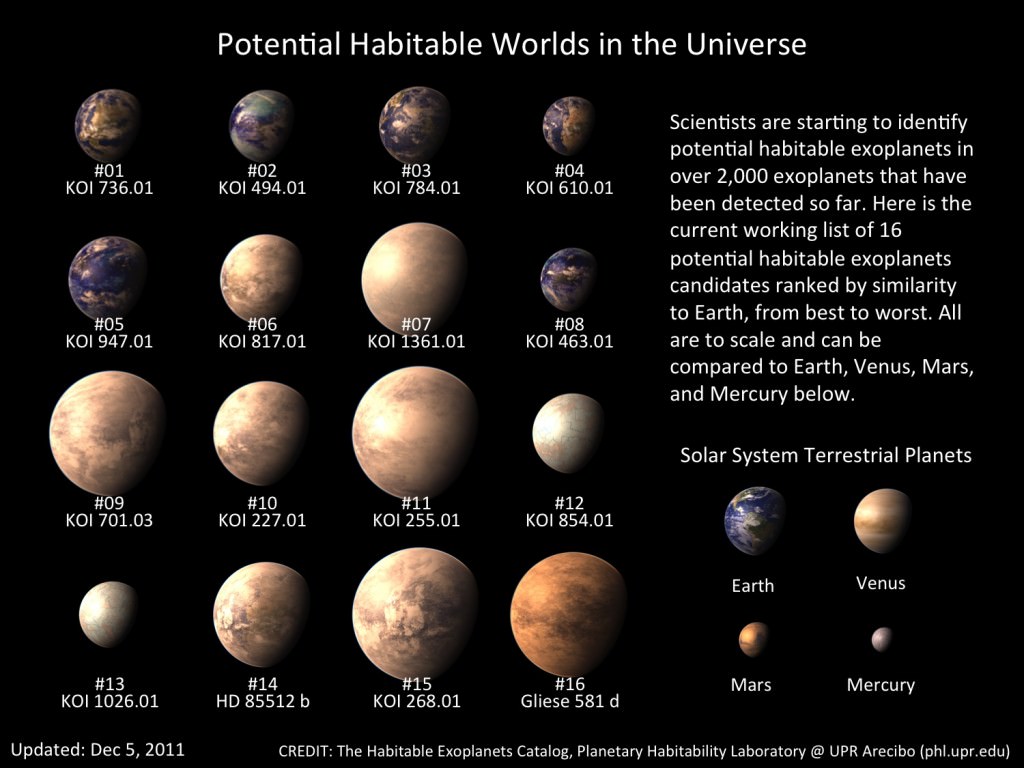
Extrasolar planets, aka exoplanets are planets that orbit stars other than our own. Astronomers employ several methods to detect these planets. One such method that fascinates me is the transit method, which is used by looking for a drop in brightness in a small world caused when they pass in front of their parent star. This alignment is known as a transit. The transit method is interesting because it only detects very large and gaseous planets from the ground, and necessitates going into outer space to detect smaller ones. Scientists are starting to identify potential habitable exoplanets using this method and have found potentially 16 candidates that are similar to Earth. This is exciting because as Earth seems like its coming to its doom for a myriad of environmental reasons, we can still be optimistic that one day, maybe not in our lifetime, but eventually, we’ll be able to set up life on another planet and hopefully care for it better than we did this one.

Possible habitable exoplanets.

climate change and the coronavirus

The Coronavirus.

With the COVID-19 outbreak, a virus that has infected over 90,000 people worldwide, I’ve started to wonder how this may impact our wellbeing on an environmental level. Global warming, a phenomena caused by human activity, such as the releasing of carbon dioxide and other greenhouse gases into the atmosphere poses many consequences for Earth’s inhabitants. With people in quarantine and air travel down, coronavirus has the potential to drop CO2 emissions by only 1-10%. Journalists propose that this virus could pose benefits for the climate. 

While others propose a warming world could be encouraging the emergence and spread of new infectious diseases like COVID-19. Rising global temperatures will shorten winter seasons which will benefit potential disease-carrying agents and enable them to spread further North. Thoughts?

scattering: light and sunsets/sunrises

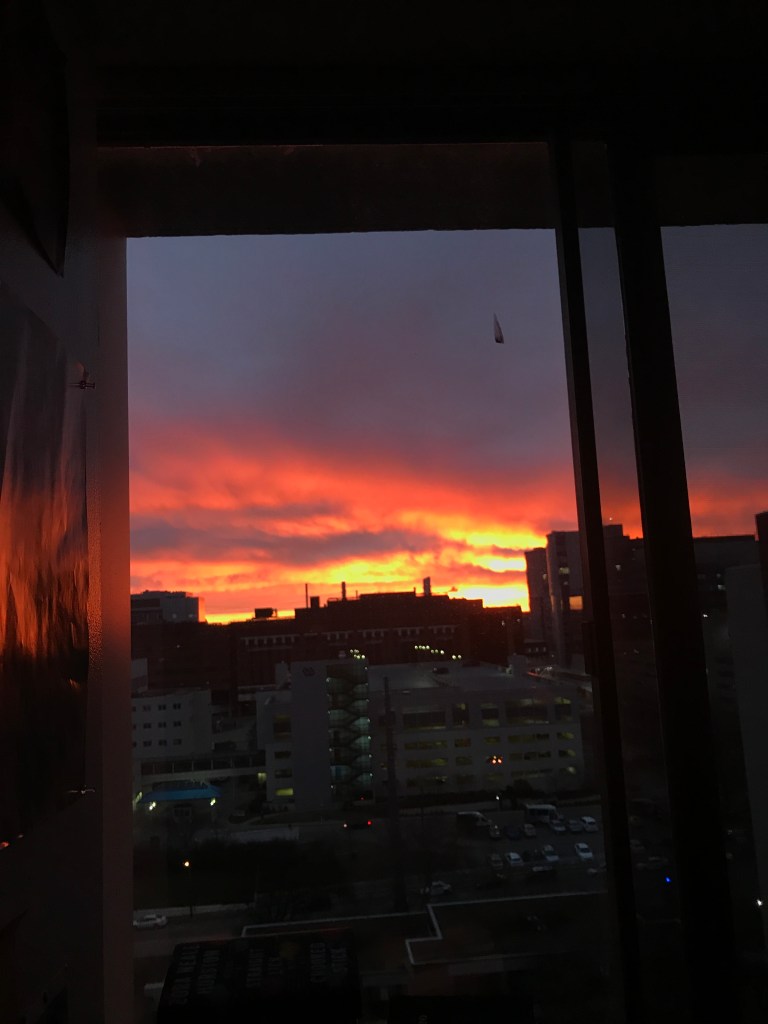
Image taken by me.

This morning I woke up to a beautiful sunrise (pictured) and got to pondering how the colors came to be. Apparently, they result from a process called scattering, a process by which small particles in the the atmosphere change the direction of light rays, causing them to scatter.

Although scattering affects the color of light emitted in the sky, the details are determined by the wavelength of the light and size of the particle in that the long-wavelength red are scattered by molecules in the air much less than other colors of the spectrum. 

We see sunsets and sunrises as a result of the sun being low on the horizon where sunlight passes through more air at those times of day.

The blue light seen throughout the day is scattered away from our eyes, leaving the more orange and red light to pass through.

Infinite Possibilities

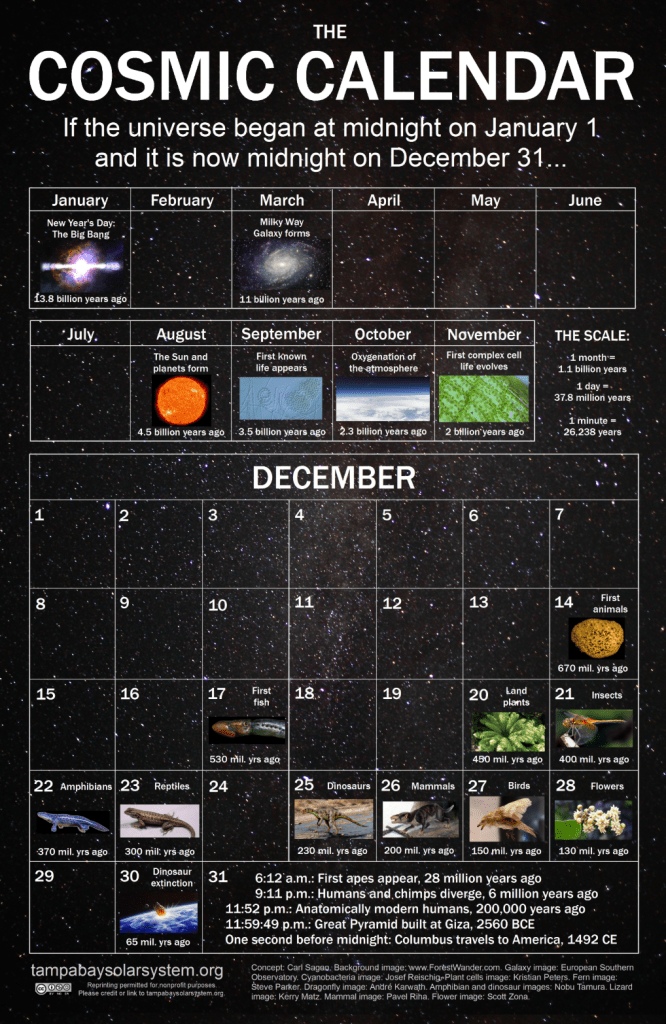
The Cosmic Calendar

Upon reading this chapter, I was sort of disturbed by the reality of how infinite the universe is and how minuscule we are as humans (in the grand scheme of things). The Cosmic Calendar, a scale of the universe over the course of one year, reveals that humans would have appeared within the last few moments. This calendar indicates our insignificance on a grand scale, but highlights some momentous milestones of the Universe, and to think our existence is considerable among phenomenas like the Big Bang, reaffirms that we could be special.

welcome.

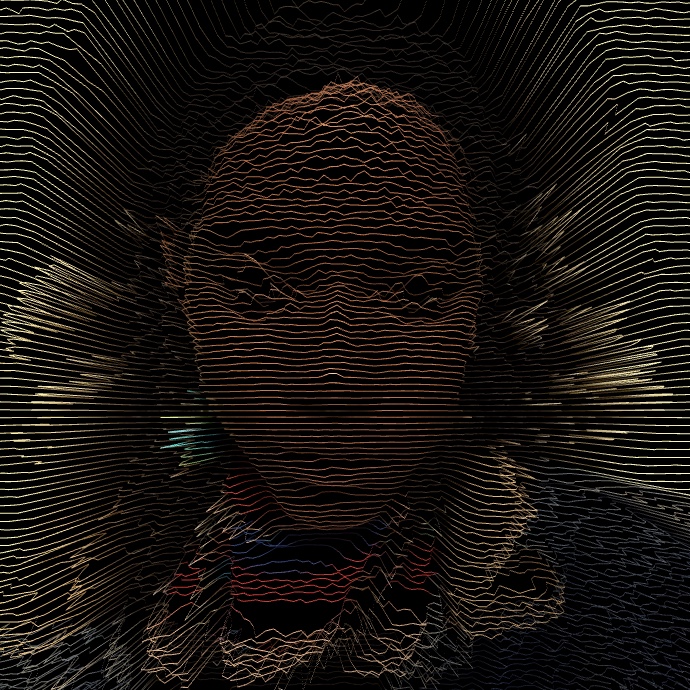
me, image taken and edited by me

welcome to my blog! my name is ameenah lauren and i am currently a vanderbilt junior studying psychology and philosophy. in *light* of the new year and decade, ive decided to dedicate some time to learning about the stars and everything beyond and between. my interests spur from understanding astrology (which i know is vastly different from astronomy) and the discovery of an artist named Orion Sun, who makes poetic, space jams like “Space Jam – An Odyssey”. im excited to embark on this journey and bring to you some enlightening discoveries i know im bound to have. thanks for following. – the vigilant virgo

Design a site like this with WordPress.com
Get started